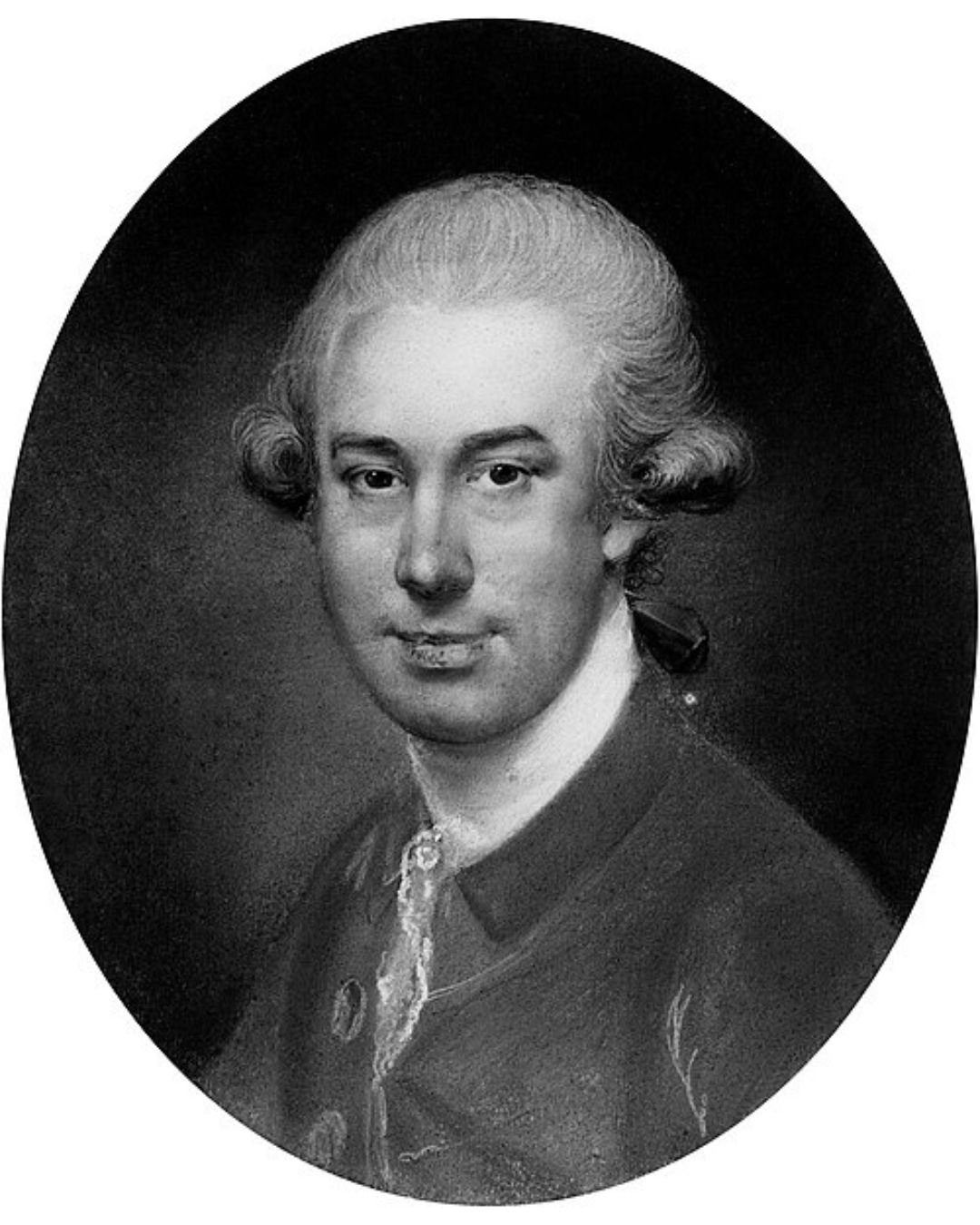
John Russell was born in Guildford, Surrey, to John Russell, a bookseller, artist and five-times mayor of Guildford, and Ann Parvish. Russell was educated at the local grammar school and showed promise as an artist, winning premiums at the Society of Arts in 1759 and 1760.
Following these successes, Russell was apprenticed to the painter Francis Cotes, who became a friend and mentor. The relationship, mostly happy and supportive, was sometimes strained by Russell’s religious evangelism. Russell had experienced a religious ‘conversion’ in September 1764, which he noted prominently in his diary.
At the age of 23, John Russell moved to London and exhibited for the first time at the Society of Artists, a precursor to the Royal Academy of Arts, which was created later in the same year. He displayed two oil paintings: Two Young Lady’s and Clergyman.
Russell was living at John Street, in Holborn, and had begun painting 'Portrait of Micoc and Tootac'.
John Russell was staying in Nottinghamshire with the Earl of Chesterfield, producing portraits of the family. However, he was later asked to leave due to his religious zeal and had started developing a reputation of possessing a bad temper.
He also completed other high-profile portraits, such as of the Methodist William Dodd, and his friend Lady Huntingdon.
This was also the first year Russell exhibited at the first Royal Academy Annual Exhibition in 1769 and continued exhibiting each year until his death in 1806.
Russell moved to an apartment on Cavendish Square.
He received a Gold Medal, an award for students of painting, sculpture and architecture, from the Royal Academy, for ‘Aquarius’, a figure drawing .
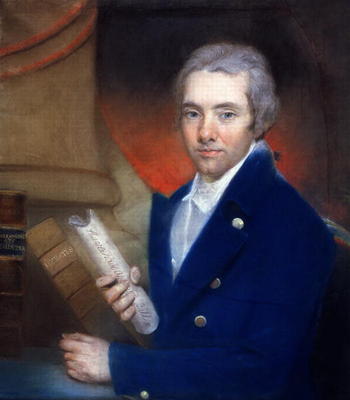
He also continued to paint portraits. This year his subjects were William and Hannah (née Thorton) Wilberforce, and George Whitfield.
He also married one of his religious ‘converts’, Hannah Faden (1745-1816) and the couple settled in Cavendish Square in a fashionable part of central London. The couple went on to have 12 children and their religious zeal slowly subsided, although Russell still refused to work on Sundays and left early from social occasions such as Royal Academy dinners for fear of encountering blasphemous behaviour.
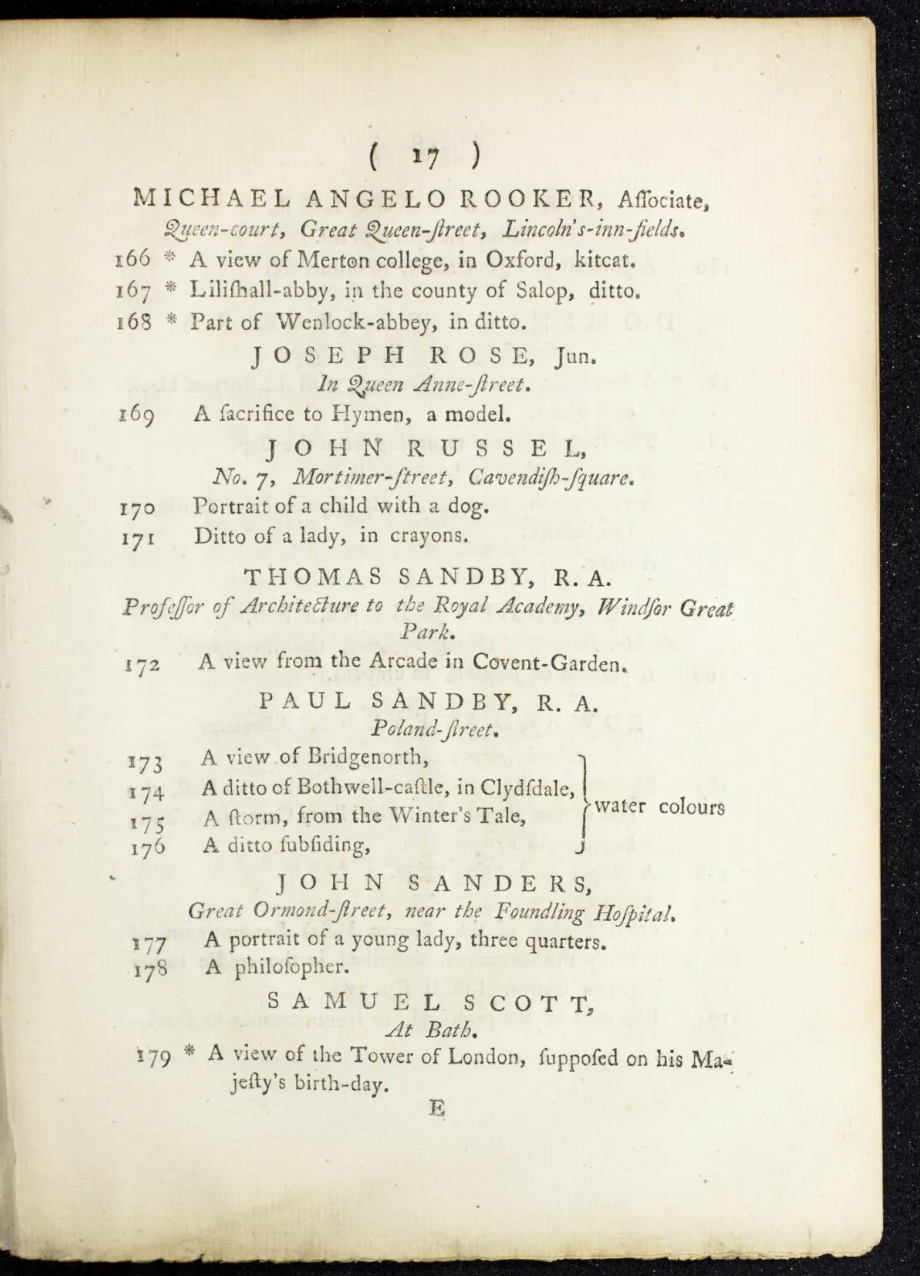
Russell received an ‘Honour’ from the Royal Academy but lost the associateship by one vote. However, internal politics at work within the institution saw him be ‘Honoured’ again in November, last that year.

Russell was elected an Associate of the Royal Academy He also completed one his most notable portraits of Lady Huntingdon, his benefactress, as well as publish his volume about the art of pastel paintings, ‘Elements of Painting with Crayons’.
His diaries, however, that he was struggling to earn money from his craft.

Russell left the RA, feeling ‘Obliged to fly from the RA as they were full of blasphemy.’ His relationship with the RA is damaged, but not over, and he returns for the Kings’ birthday celebrations.
An engraving of Lady Huntingdon is taken and published by Carington Bowles, transforming the national accessibility to John Russell’s work.
Russell also lost several of his children throughout the early 1770s.

Russell’s financial situation started improving, as he diversified his income by teaching rich hobbyists and taking in a lodger.
Some of his portraits completed during this time include organist and composers William Boyce and Joseph Kelway. By 1777 his life had significantly improved, and he had resumed writing his diary.
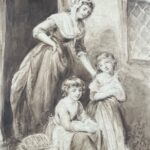
Russell was also producing a plethora of his ‘fancy pictures’, pastel paintings specialising with children as the subject, often in nature and accompanied by small animals.

John Russell is 35. On the 1st of January, Russell records that he is very depressed. He has four children and struggling to find work, but he was still producing his ‘fancy pictures’
Local and global political instability was also of concern to Russell, which he documents in his diary. In London, there were the Popery, or ‘Gordon’ Riots: several days of rioting motivated by anti-Catholic sentiment. Further afield, there was war in America and trouble in Ireland.
The year, however, does become a turning point in his career. He becomes integrated with the new RA, and meets poet, writer and anti-slavery activist, William Cowper. The pair were to become good friends.
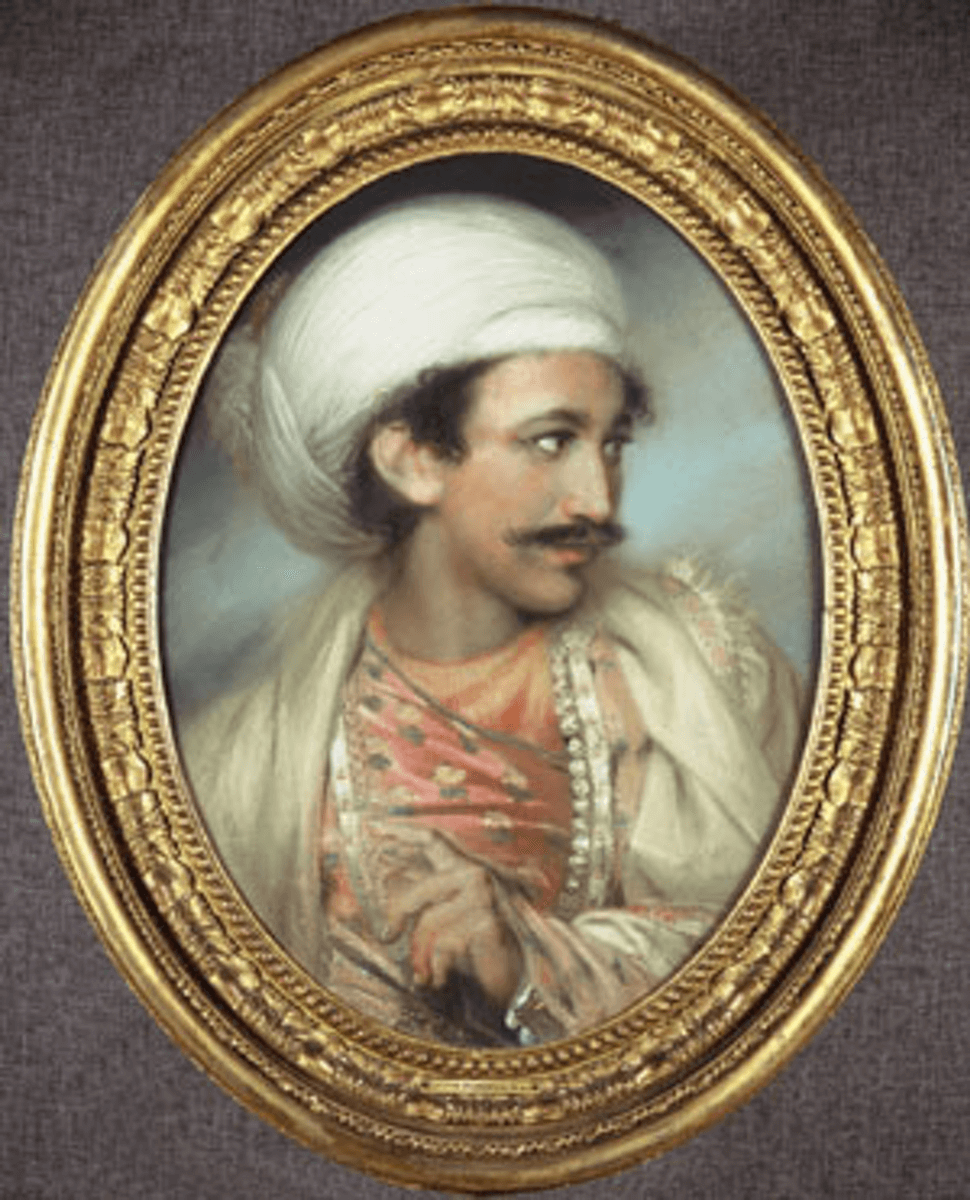
Russell’s personal and professional life considerable improve. He has seven healthy children, and a wealthy income of £600 a year.
Professionally, he records in his diary that he is ‘full of business’. He paints the portraits of high-profile members of society, such as Mohammet Summy (thought to be foreign ambassador), and the dramatist and parliamentary orator Richard Brinsley Sheridan.
In 1788 he becomes a full Academician of the RA.
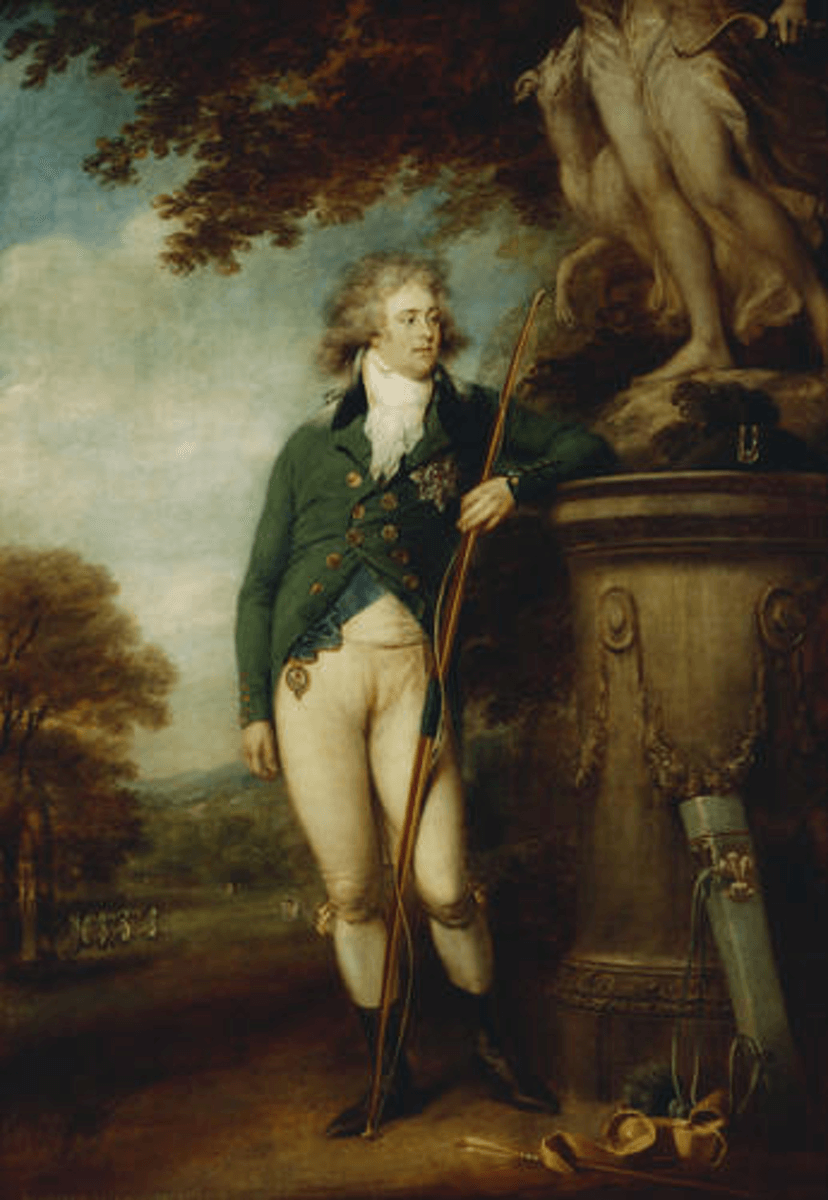
He became painter to King George III and to the Prince of Wales, an appointment stemming from the positive reception of his portraits of the King’s physician and of Queen Charlotte.
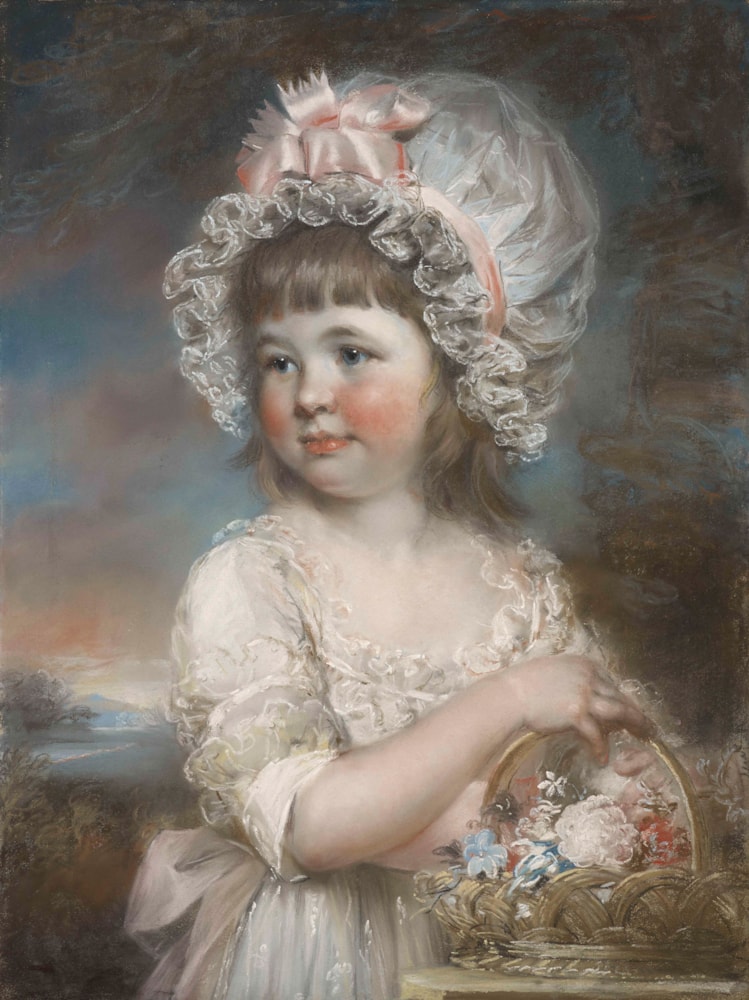
By now John Russell has produced hundreds of portraits throughout his career and exhibits 21 at the Academy in a solo show. His career continues to prosper throughout the 1790s. Some notable works are the painting of the Princess of Wales with the infant princess Charlotte (the first portrait of this newborn princess), and William Man Godschall, member of the Royal Society. This portrait, and the accompanying one of his wife, Sarah Godshall, are now on display in The Metropolitan Museum of Art.
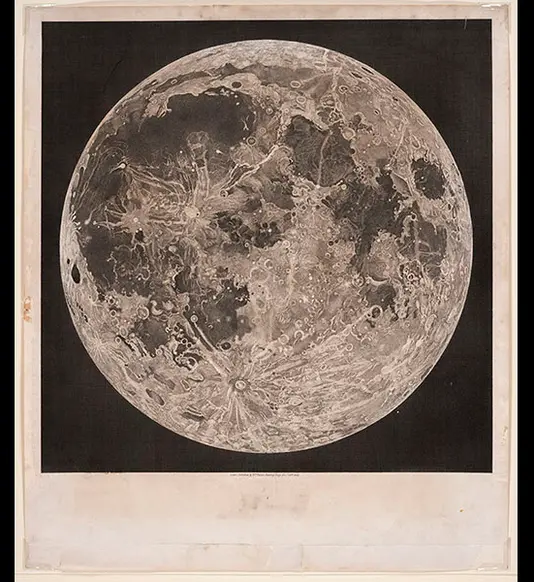
Russell was also an astronomer, from his youth taking a keen interest in the study of moons and planets which resulted in the most accurate and detailed picture of the moon to date. His selenopgrahica was patented in 1797.
Russell is 56. He is travelling around the North of England, specifically Leeds and York, which he finds more to his Methodist tastes: the people swear less and are more religious.
He has two portrait paintings presented at the RA, the Colonel of Manchester and one of his daughter Jane. He also exhibits his largest pastel work, a portrait of Lady Johnston and her family, and three other works created this year in honour of his daughter’s wedding are now in The Metropolitan Museum of Art.
Russell contracts typhus fever and dies in Hull. He is buried in the city’s Holy Trinity Church.